Diving into the world of building materials, we unravel the key aspects that define construction essentials. From traditional materials to cutting-edge innovations, this guide sheds light on the diverse landscape of building materials.
Types of Building Materials
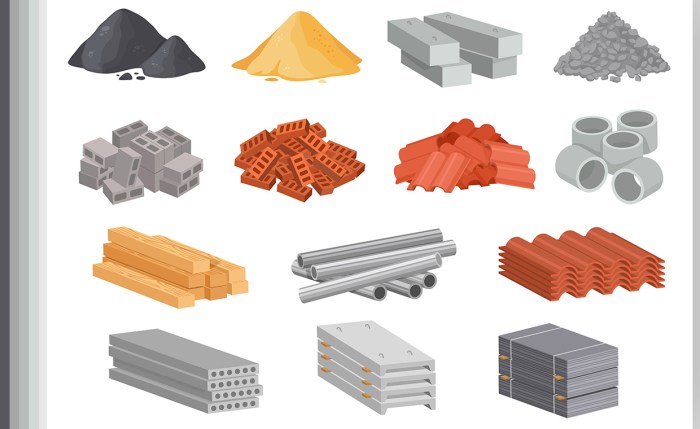
Building materials are essential components in construction projects, each with unique properties and characteristics that determine their suitability for specific applications. Let’s explore five common types of building materials and compare their durability and sustainability.
Concrete
Concrete is a versatile and durable building material made from a mixture of cement, sand, gravel, and water. It is known for its strength, durability, and fire resistance, making it ideal for foundations, walls, and floors. However, concrete production has a significant environmental impact due to its high carbon footprint.
Wood
Wood is a natural building material that is renewable, biodegradable, and aesthetically pleasing. It is commonly used in framing, flooring, and finishing work. While wood is sustainable if sourced responsibly, it is susceptible to rot, pests, and fire damage, requiring proper treatment and maintenance.
Brick
Brick is a traditional building material made from clay that offers excellent thermal insulation and fire resistance. It is commonly used in walls, facades, and pavements. Bricks are durable and require minimal maintenance, making them a sustainable choice for construction projects.
Steel
Steel is a strong and versatile building material that is commonly used in structural frameworks, roofing, and cladding. It offers high strength-to-weight ratio, durability, and resistance to corrosion. However, steel production involves significant energy consumption and carbon emissions, impacting its sustainability.
Glass
Glass is a transparent building material that allows natural light into spaces and enhances aesthetics. It is used in windows, doors, facades, and interior partitions. While glass is recyclable and energy-efficient, its production process involves high energy consumption and greenhouse gas emissions.
Sustainable Building Materials
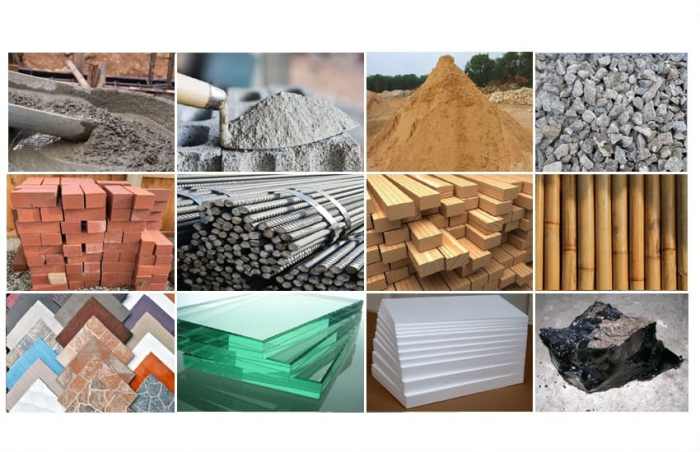
Sustainable building materials are essential for reducing the environmental impact of construction projects and promoting long-term sustainability. By using eco-friendly materials, we can help conserve natural resources, reduce waste, and create healthier living spaces for occupants.
Examples of Eco-Friendly Building Materials and Their Benefits
- Bamboo: Bamboo is a rapidly renewable resource that can be used for flooring, furniture, and even structural elements. It is durable, lightweight, and has a lower carbon footprint compared to traditional wood.
- Recycled Steel: Using recycled steel in construction helps reduce the energy required for production and minimizes waste. It is strong, durable, and can be recycled again at the end of its life cycle.
- Straw Bales: Straw bales are a natural insulating material that can be used in walls to improve energy efficiency. They are cost-effective, non-toxic, and readily available in agricultural areas.
- Recycled Glass: Recycled glass can be used for countertops, tiles, and insulation. It helps divert glass waste from landfills, reduces energy consumption during production, and adds a unique aesthetic to buildings.
- Rammed Earth: Rammed earth construction involves compacting natural soil to create walls. It is a low-energy process, provides excellent thermal mass, and has a distinctive earthy appearance.
Impact of Sustainable Materials on Construction Costs and Energy Efficiency
Using sustainable building materials may initially have a slightly higher upfront cost compared to conventional materials. However, in the long run, these materials can lead to significant savings through reduced energy consumption, lower maintenance costs, and improved indoor air quality.
Additionally, sustainable materials contribute to energy-efficient buildings that require less heating and cooling, ultimately lowering operational costs and reducing the overall environmental footprint of the structure.
Innovative Building Materials
Innovative building materials are revolutionizing the construction industry by introducing cutting-edge solutions that offer improved durability, sustainability, and efficiency. These materials, such as nanomaterials and self-healing concrete, are paving the way for a new era of construction practices.
Nanomaterials in Construction
Nanomaterials, which are materials engineered at the nanoscale, are being increasingly utilized in construction due to their superior strength and lightweight properties. These materials have the potential to enhance the structural integrity of buildings while reducing the overall weight of construction components.
Moreover, nanomaterials can improve energy efficiency and durability, making them a promising option for sustainable construction practices.
Self-Healing Concrete
Self-healing concrete is another innovative material that has gained traction in the construction industry. This type of concrete contains capsules of healing agents that are released when cracks form, effectively repairing the damage without the need for human intervention. Self-healing concrete not only improves the longevity of structures but also reduces maintenance costs over time, offering a cost-effective solution for infrastructure projects.
Challenges and Opportunities
While innovative building materials bring numerous benefits, there are also challenges associated with their adoption. One major challenge is the high initial cost of these materials, which may deter some builders from incorporating them into their projects. Additionally, there may be concerns regarding the long-term performance and environmental impact of these materials.Despite these challenges, the opportunities presented by innovative building materials are vast.
From increased sustainability to enhanced structural integrity, these materials have the potential to transform the construction industry and pave the way for more resilient and efficient buildings. By overcoming the challenges and embracing the opportunities, builders can harness the full potential of innovative materials to create sustainable and durable structures for the future.
Selection Criteria for Building Materials
When selecting building materials for a construction project, several key factors need to be considered to ensure the success of the project. These factors typically include aesthetics, functionality, and cost. Each of these aspects plays a crucial role in determining the suitability of materials for a specific project.
Aesthetics
Aesthetics are an essential factor to consider when choosing building materials. The visual appeal of the materials can significantly impact the overall look and feel of the building. It is important to select materials that align with the design vision and architectural style of the project.
For example, a modern building may require sleek and contemporary materials like glass and steel, while a traditional building may call for more natural materials like wood and stone.
Functionality
Functionality is another crucial consideration when selecting building materials. The materials chosen must be able to perform their intended functions effectively. For instance, materials used in the construction of a high-rise building must be able to withstand the structural load and provide adequate support.
Additionally, materials used in areas prone to extreme weather conditions must be durable and weather-resistant to ensure longevity and safety.
Cost
Cost is a practical consideration that cannot be overlooked when choosing building materials. The budget of the project will determine the types of materials that can be used. It is essential to strike a balance between quality and cost-effectiveness to ensure the project stays within budget without compromising on the quality of materials used.
Case Study: Importance of Choosing the Right Materials
In a recent construction project, the architects chose to use sustainable and energy-efficient materials for a commercial building. By opting for materials like recycled steel, bamboo flooring, and low-emissivity glass, they were able to reduce the environmental impact of the building and lower energy costs for the tenants.
This not only attracted environmentally conscious tenants but also positioned the building as a sustainable and innovative structure in the market.
Trends in Building Materials
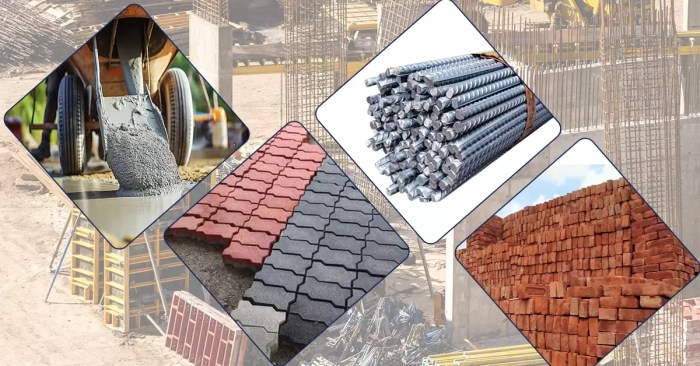
The construction industry is constantly evolving, and building materials play a crucial role in shaping its future. Let’s take a look at some of the current trends in building materials, how technological advancements are driving material development, and what the future holds for the industry.
Modular Construction
Modular construction is gaining popularity due to its efficiency and sustainability. This method involves constructing building components off-site in a controlled environment and assembling them on-site. It reduces construction time, minimizes waste, and offers greater flexibility in design. With the rise of modular construction, materials like prefabricated steel, concrete panels, and timber are becoming key players in the industry.
3D-Printed Materials
D printing technology is revolutionizing the construction sector by enabling the creation of complex building components with precision and speed. Materials like concrete, polymers, and even recycled plastics can now be 3D printed to construct innovative structures. This trend is not only cost-effective but also environmentally friendly, as it reduces material waste and energy consumption during the construction process.
Technological Advancements
Advancements in technology, such as artificial intelligence, machine learning, and robotics, are driving material development in construction. These technologies are being used to enhance the properties of traditional materials, create new composite materials, and improve construction processes. For example, self-healing concrete, smart sensors embedded in materials for real-time monitoring, and nanotechnology for stronger and lighter materials are just a few examples of how technology is shaping the future of building materials.
Future Trends
Looking ahead, we can expect to see more sustainable and eco-friendly building materials being developed to combat climate change and reduce the industry’s carbon footprint. Materials like bamboo, hempcrete, and recycled plastics are likely to become more prevalent in construction projects.
Additionally, advances in nanotechnology, biotechnology, and 3D printing will continue to drive innovation in material development, leading to stronger, lighter, and more durable building materials.
Final Summary
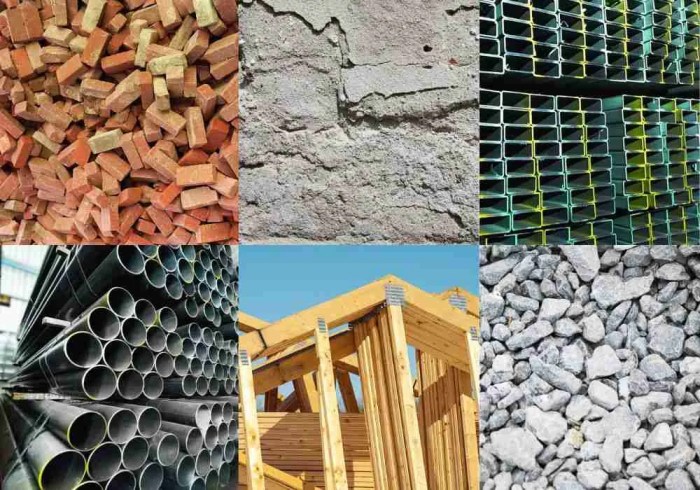
In conclusion, the realm of building materials is vast and ever-evolving. As we navigate through the different types, sustainability factors, innovation trends, selection criteria, and industry shifts, it becomes evident that the choice of materials shapes the future of construction.
FAQ Corner
What are some common types of building materials?
Common types include concrete, steel, wood, brick, and glass.
Why is using sustainable building materials important?
Using sustainable materials reduces environmental impact and promotes long-term ecological balance.
How do innovative building materials like nanomaterials impact construction?
Innovative materials enhance strength and durability, leading to more resilient structures.
What factors should be considered when selecting building materials for a project?
Factors include aesthetics, functionality, cost, durability, and sustainability.
What are some current trends in building materials?
Current trends include modular construction and the use of 3D-printed materials for efficient building processes.