Diving into the realm of exterior design, this introduction will take you on a journey through the importance, elements, trends, and process involved in creating visually stunning architectural masterpieces. From the significance of exterior design to the innovative use of materials and colors, this topic will leave you inspired by the creativity and artistry that goes into shaping the facade of buildings.
Importance of Exterior Design
Exterior design plays a crucial role in the field of architecture as it serves as the first impression of a building, setting the tone for what lies inside. The exterior design of a building not only enhances its visual appeal but also communicates its purpose, style, and identity to the viewers.
Impact on Aesthetic Appeal
The exterior design significantly impacts the overall aesthetic appeal of a building. It determines the symmetry, proportion, materials, colors, and overall style of the structure, creating a harmonious and visually pleasing composition. A well-thought-out exterior design can transform a simple building into a masterpiece, captivating the attention of passersby and creating a memorable landmark in the cityscape.
Examples of Exceptional Exterior Designs
- The Guggenheim Museum in Bilbao, Spain, designed by Frank Gehry, is known for its iconic curvilinear form and titanium cladding, creating a striking and innovative exterior design.
- The Sydney Opera House in Australia, designed by Jørn Utzon, features a series of sail-like shells that form a unique silhouette against the backdrop of the harbor, making it an architectural marvel with a timeless exterior design.
- The Burj Khalifa in Dubai, designed by Adrian Smith, stands as the tallest building in the world with a sleek and modern exterior design that reflects the city’s ambition and innovation.
Elements of Exterior Design
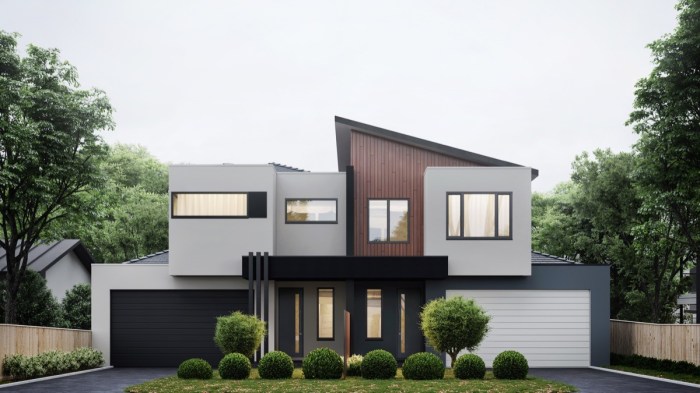
When it comes to creating a visually appealing exterior design, several key elements play a crucial role in achieving a harmonious and attractive look. Elements such as materials, colors, textures, and shapes work together to create a cohesive and eye-catching design that enhances the overall aesthetic of a building or space.
Materials
The choice of materials in exterior design can greatly impact the look and feel of a structure. From traditional materials like wood and brick to modern options such as glass and metal, the selection of materials can help convey a specific style or theme.
For example, using natural stone can add a sense of luxury and elegance, while opting for industrial materials like steel can create a more contemporary and sleek appearance.
Colors
Colors play a significant role in exterior design by setting the mood and creating visual interest. The right color palette can enhance architectural details and highlight specific features of a building. For instance, using bold and vibrant colors can make a building stand out and draw attention, while muted and neutral tones can create a more subtle and sophisticated look.
Textures
Textures add depth and dimension to exterior design, making it more visually engaging. Incorporating different textures like smooth surfaces, rough finishes, or patterned materials can create contrast and visual impact. For example, combining smooth stucco with rough stone accents can add visual interest and create a dynamic facade.
Shapes
The shapes and forms used in exterior design play a crucial role in defining the overall look and style of a building. Whether it’s the angular lines of a modern structure or the curved arches of a traditional building, shapes contribute to the architectural character and visual appeal.
Innovative use of shapes, such as incorporating geometric patterns or asymmetrical designs, can add a unique and contemporary touch to modern exterior designs.
Trends in Exterior Design
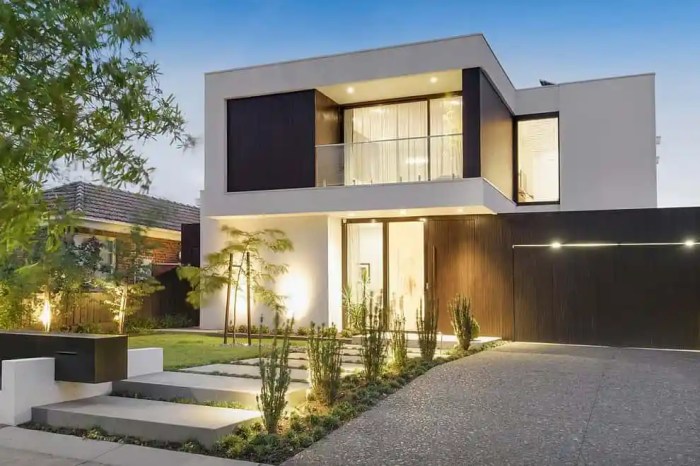
Exterior design trends for residential and commercial buildings are constantly evolving to reflect changing preferences, advancements in technology, and a growing emphasis on sustainability. In this section, we will explore the current trends in exterior design, compare traditional architectural styles with contemporary trends, and highlight sustainable and eco-friendly practices.
Contemporary vs. Traditional Architectural Styles
Contemporary exterior design trends often focus on sleek lines, minimalist aesthetics, and the use of modern materials such as glass, steel, and concrete. In contrast, traditional architectural styles such as Victorian, Colonial, or Craftsman homes emphasize intricate details, ornate decorations, and a more classic look.
The juxtaposition of these two styles offers a diverse range of options for homeowners and developers looking to make a statement with their building’s exterior.
Sustainable Practices and Eco-Friendly Trends
With a growing awareness of the impact of buildings on the environment, sustainable practices and eco-friendly trends have become increasingly popular in exterior design. This includes the use of energy-efficient materials, green roofs, solar panels, and rainwater harvesting systems to reduce the carbon footprint of buildings.
Incorporating these sustainable elements not only helps to protect the planet but also adds value to the property and enhances its overall appeal.
Exterior Design Process
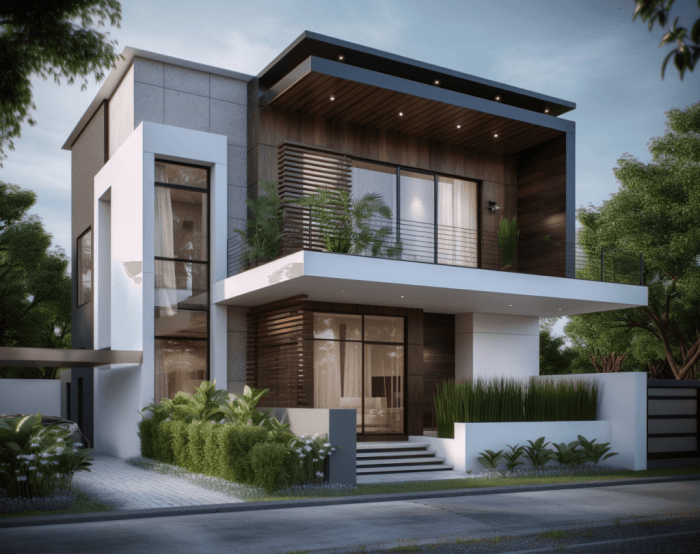
When it comes to creating an exterior design for a new construction project, there are several key steps involved in the process. Architects and designers work together to develop a concept that meets the client’s needs and preferences. Client input and feedback play a crucial role in shaping the final design, ensuring that it aligns with their vision for the project.
Typical Steps in Exterior Design Process
- Site Analysis: Assessing the location, surroundings, and topography to understand how the building will interact with its environment.
- Concept Development: Collaborating with the client to establish design goals, themes, and overall aesthetic direction.
- Schematic Design: Creating initial sketches and drawings to visualize the proposed design concept.
- Design Development: Refining the initial concept, incorporating structural considerations, and selecting materials and finishes.
- Client Feedback: Presenting the design to the client for feedback and making any necessary revisions based on their input.
- Final Design: Producing detailed drawings and specifications for construction based on the approved concept.
Architects and Designers Collaboration
In the exterior design process, architects and designers work closely together to bring the vision to life. Architects focus on the structural integrity and functionality of the building, while designers are responsible for the aesthetic appeal and visual elements. By combining their expertise, they can create a cohesive design that balances form and function.
Importance of Client Input
Client input is vital throughout the exterior design process as it ensures that the final design meets their expectations and requirements. By actively involving the client in decision-making and incorporating their feedback, architects and designers can tailor the design to reflect the client’s style and preferences.
This collaborative approach results in a more personalized and satisfactory end result for the client.
Closing Summary
In conclusion, exterior design is not just about aesthetics but also about functionality and sustainability. By understanding the key elements and current trends, architects and designers can create timeless designs that stand the test of time. The process of collaboration and client input ensures that every project is a reflection of creativity and innovation in the world of architecture.
Frequently Asked Questions
What role does texture play in exterior design?
Texture adds depth and visual interest to the facade of a building, creating a dynamic and engaging design.
How do architects incorporate sustainable practices in exterior design?
Architects use eco-friendly materials and design techniques to reduce the environmental impact of buildings while enhancing their overall aesthetic appeal.
Why is client input important in the exterior design process?
Client input ensures that the design meets their needs and preferences, resulting in a successful and satisfying architectural project.