Delve into the realm of siding cost as we uncover the key factors, material options, and money-saving tips in this comprehensive guide. Get ready to gain valuable insights that will help you navigate the world of siding expenses with confidence and clarity.
Discover how different elements come into play to determine the overall cost of your siding project, from material choices to regional variations.
Factors influencing siding cost
When it comes to determining the cost of siding installation, several factors come into play. These factors can significantly impact the overall expenses associated with the project. Let’s delve into some of the key influencers that affect siding costs.
Material Choice
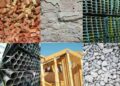
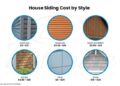
The type of material you choose for your siding can have a major impact on the overall cost of the project. Common siding materials include vinyl, wood, fiber cement, and metal. Each material comes with its own price point, with factors like durability, maintenance requirements, and aesthetic appeal also playing a role in the final cost.
Labor Costs
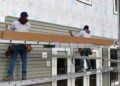
Labor costs are another significant factor in determining the total expense of siding installation. The complexity of the project, the skill level of the laborers, and the time required for completion can all affect labor costs. It’s essential to factor in labor expenses when budgeting for your siding project.
Square Footage
The size of your home or the area that needs to be covered with siding directly impacts the overall cost. Larger homes or buildings will require more materials and labor, leading to higher expenses. Calculating the square footage accurately is crucial in estimating the total cost of the project.
Additional Features
In addition to material choice, labor costs, and square footage, other factors can influence siding costs. Features like insulation, trim work, and necessary permits can add to the total expense. Including these additional features in your project plan is essential for an accurate cost estimate.
Types of siding materials and their cost implications
When it comes to choosing siding materials for your home, cost is a significant factor to consider. Different types of siding materials come with varying initial costs, maintenance expenses, and longevity, all of which impact the overall cost of installation and ownership.
Vinyl Siding
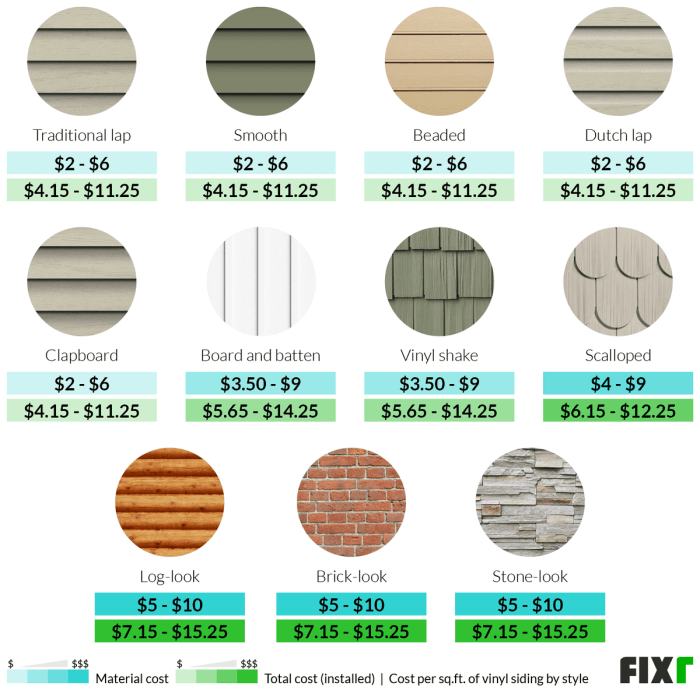
Vinyl siding is one of the most popular choices due to its affordability. It has a relatively low initial cost compared to other materials like wood or fiber cement. Additionally, vinyl siding requires minimal maintenance, reducing long-term expenses. However, its longevity may be shorter than other materials, requiring replacement sooner.
Wood Siding
Wood siding provides a natural and classic look to homes, but it comes with a higher initial cost compared to vinyl. Maintenance costs for wood siding can also be significant due to the need for regular painting or staining to prevent rot and insect damage.
Despite these expenses, wood siding is known for its durability and timeless appeal.
Fiber Cement Siding
Fiber cement siding offers a balance between affordability and durability. While the initial cost may be higher than vinyl, it is lower than wood siding. Maintenance costs are moderate, as fiber cement is resistant to rot, fire, and pests. This material is known for its longevity and ability to withstand harsh weather conditions.
Metal Siding
Metal siding is a durable and low-maintenance option for homeowners. The initial cost of metal siding can vary depending on the type of metal used, such as aluminum or steel. While metal siding is resistant to rot and pests, it may dent or scratch more easily than other materials.
However, metal siding is known for its longevity and modern aesthetic appeal.
Regional cost variations
Geographic location plays a significant role in determining the cost of siding projects. Factors such as regional labor rates, material availability, climate considerations, local building codes, regulations, and environmental factors can all influence the overall cost.
Labor Rates
Labor rates vary across different regions, affecting the overall cost of siding projects. Areas with higher labor costs will typically have higher overall project costs due to increased wages for skilled workers.
Material Availability
The availability of siding materials can vary by region, impacting their cost. Regions with limited availability of certain materials may have higher prices due to transportation costs or the need to import materials from other areas.
Climate Considerations
Regions with extreme weather conditions may require specialized siding materials that can withstand harsh climates. These materials may come at a higher cost, increasing the overall project expenses in those areas.
Local Regulations and Environmental Factors
Local building codes and regulations can impact the cost of siding projects, as certain requirements may add to the overall expenses. Additionally, environmental factors such as seismic activity or high wind zones may necessitate more expensive siding options for increased durability and safety.
Cost-saving tips for siding projects
When it comes to siding projects, there are several strategies you can implement to save costs without compromising on quality. Here are some practical tips to help you reduce your siding installation expenses:
Consider DIY Options
If you have the necessary skills and tools, opting for a do-it-yourself approach can significantly cut down on labor costs. However, make sure you have the expertise to handle the project effectively to avoid costly mistakes.
Bulk Material Discounts
Purchasing siding materials in bulk can often lead to discounts from suppliers. Consider buying all the necessary materials at once to take advantage of lower prices and save on overall project costs.
Negotiate with Contractors
Don’t hesitate to negotiate with contractors to get a better deal on installation services. Obtain multiple quotes from different professionals and compare their offers to find the most cost-effective option without compromising on quality.
Proper Maintenance and Timely Repairs
Investing in regular maintenance and addressing any repairs promptly can help prevent more significant issues down the line, saving you from unexpected costs in the future. By properly caring for your siding, you can extend its lifespan and minimize the need for costly replacements.
Epilogue
In conclusion, siding cost is a multifaceted aspect of any home improvement project. By understanding the influencing factors, material options, and cost-saving strategies, you can make informed decisions and ensure a successful siding installation that fits your budget and preferences.
Dive into the world of siding cost armed with knowledge and make your home renovation dreams a reality.
Essential Questionnaire
What factors can impact siding cost?
Common factors include material choice, labor costs, square footage, insulation, trim work, and permits.
Which siding material is the most cost-effective?
Vinyl siding is often considered the most cost-effective due to its low initial cost and minimal maintenance requirements.
How can I reduce siding installation costs?
You can save costs by exploring DIY options, looking for bulk material discounts, and negotiating with contractors for better prices.