Embark on a journey through the intricate process of siding installation. From choosing the right materials to adding the finishing touches, this guide will equip you with everything you need to know.
Learn about the step-by-step process, essential tools, and types of siding materials to make your next project a success.
Siding Installation Process
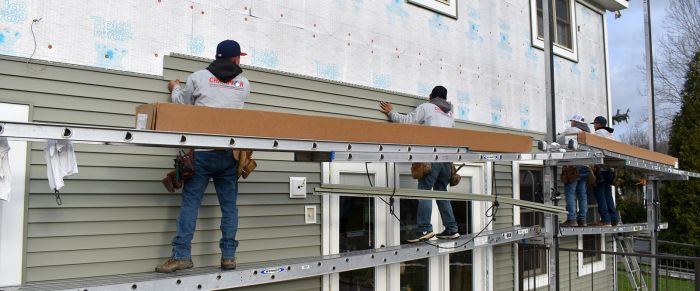
Installing siding on a building involves several steps to ensure a successful outcome. Let’s break down the process and the tools/materials required for a seamless siding installation.
Tools and Materials Required
- Hammer
- Nails
- Tape Measure
- Level
- Saw
- Siding Material (vinyl, wood, fiber cement, etc.)
- Fasteners
- House Wrap
- Trim Pieces
Types of Siding Materials and Installation Techniques
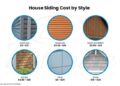
Installing siding involves choosing the right material for your building. Here are some common siding materials and their installation techniques:
- Vinyl Siding:Easy to install and low maintenance. Installation involves interlocking panels and securing them with nails.
- Wood Siding:Provides a natural look. Installation requires careful measurements and sealing to prevent water damage.
- Fiber Cement Siding:Durable and fire-resistant. Installation involves cutting and nailing the boards onto the exterior walls.
- Metal Siding:Modern and sleek appearance. Installation involves fastening metal panels to the building’s framework.
Pre-Installation Preparation
Before beginning the siding installation process, it is crucial to ensure that the exterior of the building is properly prepared. This involves inspecting the area, making any necessary repairs or adjustments, and ensuring that the surface is ready to receive the new siding.
Inspecting the Exterior
Prior to installing siding, carefully inspect the exterior of the building to identify any issues that may affect the installation process or the performance of the siding in the long run. Look for signs of damage, rot, or moisture issues that need to be addressed before proceeding.
Repairs and Adjustments
- Repair any damaged or rotted areas on the exterior of the building to ensure a solid base for the siding installation.
- Ensure that the surface is clean and free of debris, dirt, and any loose materials that could affect the siding’s adhesion.
- Check for proper insulation and waterproofing to prevent moisture infiltration behind the siding.
- If necessary, make adjustments to the structure or layout to accommodate the new siding and ensure a seamless installation.
Types of Siding
When choosing siding for a project, it is essential to consider the various types of materials available in the market. Each type comes with its own set of benefits and drawbacks, so understanding these differences can help you make an informed decision.
Vinyl Siding
Vinyl siding is one of the most popular options due to its affordability and low maintenance requirements. It is available in a wide range of colors and styles, making it versatile for different aesthetic preferences. However, vinyl siding may crack or fade over time, and it is not as durable as other materials.
Wood Siding
Wood siding offers a natural and traditional look that many homeowners appreciate. It can be painted or stained to achieve a custom appearance. While wood siding is environmentally friendly and biodegradable, it requires regular maintenance to prevent rot, pests, and weather damage.
Fiber Cement Siding
Fiber cement siding is a durable and low-maintenance option that can mimic the look of wood or stucco. It is resistant to fire, insects, and rot, making it a long-lasting choice for many homeowners. However, fiber cement siding is heavier and more challenging to install compared to other materials.
Metal Siding
Metal siding, such as aluminum or steel, offers a modern and sleek appearance that can be painted in various colors. It is highly durable, resistant to pests, rot, and fire, making it a low-maintenance option for many homeowners. On the downside, metal siding can dent easily and may be prone to corrosion in certain environments.
Siding Installation Techniques
Proper siding installation techniques are crucial to ensure a long-lasting and visually appealing finish for your home. From cutting and measuring siding panels accurately to securing them properly and ensuring insulation and weatherproofing, each step plays a significant role in the overall outcome of the project.
Measuring and Cutting Siding Panels
When measuring siding panels, it is essential to follow the manufacturer’s guidelines for the specific type of siding being used. Use a tape measure to accurately measure the length needed, and mark the panel with a pencil before cutting. A circular saw or siding cutter can be used to make precise cuts, ensuring a clean and professional finish.
Securing Siding to the Building’s Exterior
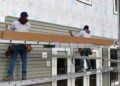
To secure siding to a building’s exterior, start by installing a starter strip at the bottom of the wall to provide a level base. Use nails or screws recommended by the manufacturer to attach the siding panels securely to the wall, making sure to leave a small gap at the ends for expansion.
It is crucial to follow the recommended nailing pattern to ensure the siding is properly secured and will withstand the elements.
Ensuring Proper Insulation and Weatherproofing
Proper insulation and weatherproofing are essential to protect your home from moisture and energy loss. Before installing siding, make sure to inspect the wall for any damage or insulation issues that need to be addressed. Install a weather-resistant barrier, such as house wrap, to provide an additional layer of protection against the elements.
Pay attention to details like sealing joints and corners properly to prevent water infiltration and ensure a tight seal.
Finishing Touches and Maintenance
After the siding installation process is complete, it’s crucial to focus on the finishing touches and ongoing maintenance to ensure the longevity and durability of your siding. This involves tasks like caulking, painting, and regular upkeep to keep your home exterior looking its best.
Caulking and Painting
- Once the siding is installed, make sure to caulk any gaps or seams to prevent moisture from seeping in. Use a high-quality exterior caulking that is paintable for a seamless finish.
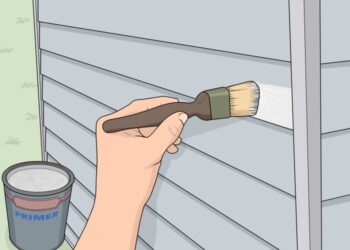
- Painting your siding not only enhances the curb appeal of your home but also acts as a protective barrier against the elements. Choose a paint specifically designed for the type of siding you have and follow proper painting techniques for the best results.
- Regularly inspect the caulking and paint on your siding, and touch up any areas that show signs of wear or damage to maintain the integrity of your exterior.
Maintenance for Different Types of Siding
- Wood Siding:Regularly inspect for rot, mold, or insect damage. Apply a fresh coat of paint or stain every few years to protect the wood from moisture and UV rays.
- Vinyl Siding:Clean with a mild detergent and water mixture to prevent dirt buildup. Avoid using harsh chemicals or abrasive materials that can damage the surface.
- Fiber Cement Siding:Inspect for any cracks or chips and repair them promptly to prevent moisture infiltration. Clean with a gentle detergent and water solution as needed.
Common Post-Installation Issues
- Warped or buckled siding: This can be caused by improper installation or exposure to extreme weather conditions. Address the underlying issue and consider replacing damaged panels if necessary.
- Mold or mildew growth: Regular cleaning and proper ventilation can help prevent mold and mildew from developing on your siding. Use a mildew-resistant cleaner to remove any existing growth.
- Fading or discoloration: Over time, siding may fade due to sun exposure. Consider repainting or replacing faded panels to maintain a uniform appearance.
Last Recap
As we wrap up our exploration of siding installation, remember that attention to detail and proper maintenance are key to ensuring the longevity of your siding. Whether you’re a DIY enthusiast or a seasoned professional, this guide has provided valuable insights to elevate your siding projects.
FAQ Explained
What is the best siding material for coastal areas?
Fiber cement is a great choice for coastal areas as it is resistant to salt corrosion and moisture.
How often should siding be repainted?
Siding generally needs to be repainted every 5-10 years, depending on the material and climate conditions.
Can I install siding in cold weather?
It’s best to avoid installing siding in cold weather as it can affect the adhesion of the materials. Wait for milder temperatures for optimal results.
Do I need to remove old siding before installing new siding?
It’s recommended to remove old siding to inspect for any damage or moisture issues that may affect the new installation.