Roofing services play a crucial role in maintaining the integrity and longevity of your roof. From repairs to installations, each service contributes to the overall health of your home or building. Let’s delve into the world of roofing services and explore everything you need to know to make informed decisions.
Types of Roofing Services
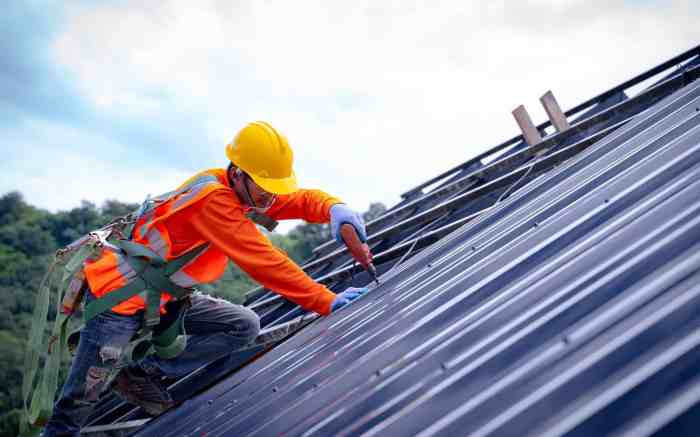
Roofing contractors offer a variety of services to meet the needs of both residential and commercial properties. These services are crucial for maintaining the integrity of a roof and ensuring its longevity.
Residential Roofing Services
- Roof Repairs: Fixing leaks, damaged shingles, or other issues to prevent further damage.
- Roof Installations: Installing new roofs using materials like asphalt shingles, metal, or tile.
- Roof Inspections: Assessing the condition of the roof for any potential problems.
- Roof Maintenance: Regular upkeep to extend the lifespan of the roof and prevent costly repairs.
Commercial Roofing Services
- Flat Roof Repairs: Fixing leaks and damage on flat commercial roofs.
- Commercial Roof Installations: Installing roofs suitable for commercial buildings.
- Roof Coatings: Applying protective coatings to extend the life of the roof.
- Emergency Roofing Services: Providing quick repairs in case of severe damage or leaks.
Importance of Regular Roofing Services
Regular roofing services are essential for the longevity of a roof. By addressing issues promptly and conducting routine inspections and maintenance, property owners can prevent costly repairs and prolong the lifespan of their roofs. Whether it’s a residential or commercial property, investing in professional roofing services is a smart decision to protect one of the most critical components of a building.
Choosing a Roofing Service Provider
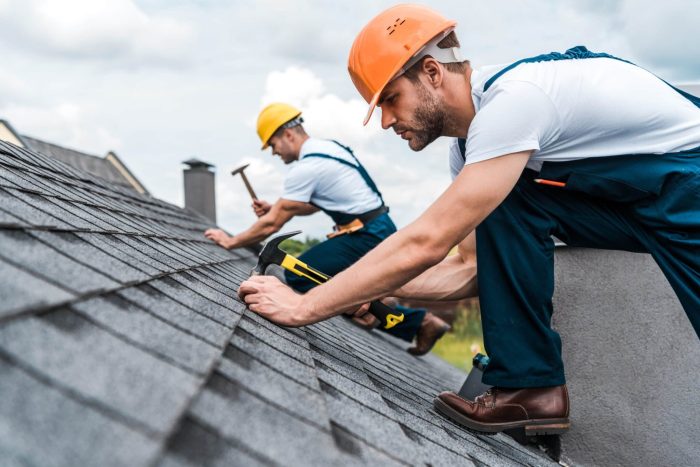
When it comes to selecting a roofing service provider, there are several factors to consider to ensure you choose a reputable and reliable contractor for your roofing needs.
Experience, Pricing, and Reviews
- Experience: Look for a roofing contractor with a solid track record in the industry. Experience often reflects expertise and knowledge in handling various roofing projects.
- Pricing: While cost is important, it should not be the sole determining factor. Compare quotes from different contractors and consider the value they provide in terms of quality materials and workmanship.
- Reviews: Check online reviews and testimonials from previous clients to gauge the reputation of the roofing service provider. Positive reviews are a good indication of customer satisfaction.
Certifications and Licenses
Having the necessary certifications and licenses is crucial when choosing a roofing service provider.
- Certifications: Ensure the contractor is certified by relevant roofing manufacturers. This indicates that they have undergone training and are qualified to install specific roofing products.
- Licenses: Verify that the contractor holds the required licenses to operate in your area. This ensures they comply with local regulations and building codes.
Importance of Insurance Coverage
Insurance coverage is essential for both the roofing contractor and the client to protect against any unforeseen circumstances.
- Contractor’s Insurance: Make sure the roofing service provider has liability insurance and workers’ compensation coverage. This protects you from liability in case of accidents or damage during the project.
- Client’s Protection: Ask for proof of insurance before hiring a contractor to safeguard yourself from any financial responsibility in case of accidents or property damage during the roofing project.
Roofing Materials and Techniques
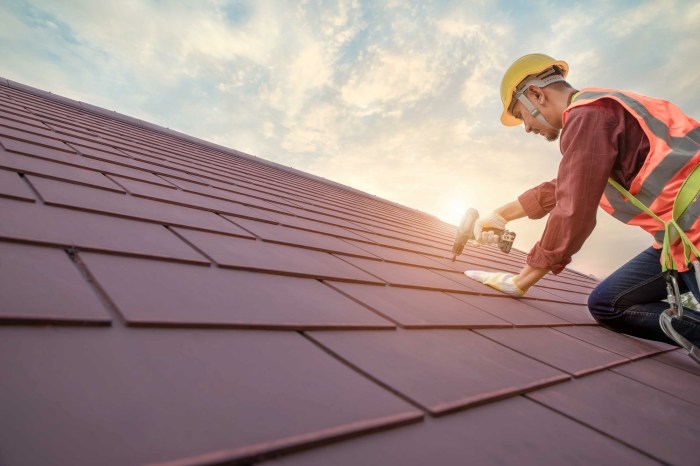
When it comes to roofing, the materials used play a crucial role in determining the durability, energy efficiency, and overall aesthetics of a building. Different roofing materials and techniques are available in the market, each with its own set of advantages and disadvantages.
Asphalt Shingles
Asphalt shingles are one of the most popular roofing materials due to their affordability and ease of installation. They come in a variety of colors and styles, making them a versatile option for many homeowners. However, asphalt shingles have a shorter lifespan compared to other materials and may not be as environmentally friendly.
Metal Roofs
Metal roofing is known for its longevity and durability, often lasting 50 years or more. It is also energy-efficient and can help reduce cooling costs in hot climates. However, metal roofs can be more expensive than other materials upfront, and they may be prone to denting in severe weather conditions.
Clay Tiles
Clay tiles are a popular choice for Mediterranean-style homes due to their aesthetic appeal and durability. They are resistant to fire, rot, and insects, making them a low-maintenance option. However, clay tiles can be heavy, requiring additional structural support, and they may be more costly to install compared to other materials.
Modern Roofing Techniques
Modern roofing techniques have evolved to include green roofs and solar panel installations. Green roofs involve planting vegetation on the roof surface, providing insulation, reducing stormwater runoff, and improving air quality. Solar panel installations allow homeowners to harness renewable energy and reduce their electricity bills.
Impact of Climate and Location
The choice of roofing materials is heavily influenced by the climate and location of a building. For example, in areas with heavy snowfall, metal roofs are preferred for their ability to shed snow easily. In hot climates, materials like clay tiles may be more suitable for their heat-reflective properties.
It is essential to consider these factors when selecting the right roofing material for a project.
Roofing Maintenance and Care
Regular maintenance is essential to ensure the longevity and durability of your roof. By conducting routine inspections and addressing small issues promptly, you can prevent major problems and costly repairs down the line.
Importance of Regular Inspections
Regular inspections are crucial to identifying any potential issues with your roof before they escalate. By checking for loose or missing shingles, signs of water damage, or debris buildup, you can address minor problems early on and avoid more significant damage to your roof.
Tips for Cleaning Gutters and Removing Debris
Cleaning gutters and removing debris from your roof is essential to prevent water damage and prolong the lifespan of your roof. Make sure to clear out any leaves, branches, or other debris that may be clogging your gutters and downspouts.
Regularly cleaning your gutters can help prevent water from pooling on your roof and causing leaks or structural damage.
Checking for Signs of Damage
Inspecting your roof for signs of damage, such as cracked or curling shingles, water stains on the ceiling, or moss growth, can help you identify issues early on. By addressing these problems promptly, you can prevent further damage to your roof and ensure its longevity.
Role of Preventive Maintenance
Preventive maintenance plays a vital role in extending the lifespan of your roof and avoiding costly repairs or replacements. By investing in regular inspections, cleaning, and minor repairs, you can protect your roof from damage caused by weather, debris, or wear and tear.
Taking proactive measures to care for your roof can save you time and money in the long run.
Closure
In conclusion, roofing services are essential for keeping your roof in top condition. By understanding the different types of services, how to choose a provider, the materials and techniques involved, and the importance of maintenance, you can ensure a sturdy and durable roof for years to come.
Popular Questions
How often should I schedule roof inspections?
You should ideally schedule roof inspections at least once a year, and after severe weather conditions like storms or heavy snowfall.
What are the advantages of asphalt shingles?
Asphalt shingles are cost-effective, easy to install, and come in a variety of colors and styles to suit different aesthetics.
Do roofing contractors provide warranties on their work?
Many reputable roofing contractors offer warranties on their workmanship to provide you with added peace of mind.
How can I prevent ice dams on my roof?
To prevent ice dams, ensure your attic is properly insulated and ventilated to maintain a consistent roof temperature.
What are the benefits of green roofs?
Green roofs provide insulation, reduce energy costs, improve air quality, and create green spaces in urban environments.