When it comes to the cost of replacing house siding, numerous factors come into play. From the types of materials used to the size of the house, each element can significantly impact the overall expense. Join us on a journey through the intricacies of house siding costs and discover valuable insights to help you make informed decisions.
Factors Affecting the Cost of Replacing House Siding
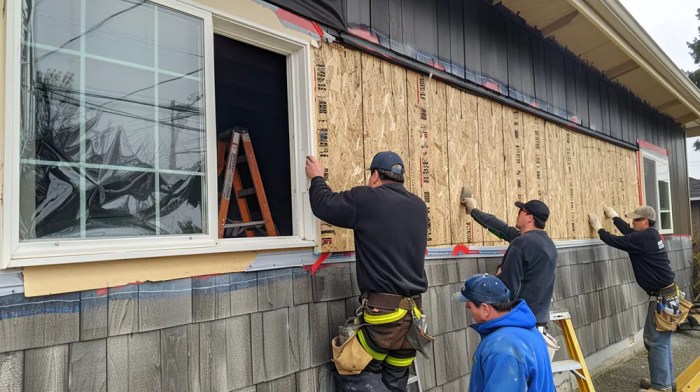
When considering the cost of replacing house siding, various factors come into play that can influence the overall price. Understanding these factors can help homeowners make informed decisions when planning for a siding replacement project.
Types of House Siding Materials and Cost Implications
Different types of house siding materials come with varying costs that can significantly impact the overall budget for the project. Here are some common siding materials and their cost implications:
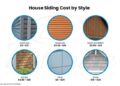
- Vinyl Siding: Vinyl siding is a popular choice due to its affordability, with costs ranging from $2 to $7 per square foot.
- Fiber Cement Siding: Fiber cement siding is a durable option but comes at a higher cost, averaging between $5 to $12 per square foot.
- Wood Siding: Wood siding can provide a classic look but tends to be more expensive, with prices ranging from $8 to $12 per square foot.
- Composite Siding: Composite siding offers a mix of durability and aesthetics, with costs averaging between $7 to $13 per square foot.
Size of the House and Overall Cost
The size of the house is a crucial factor in determining the overall cost of siding replacement. Larger homes will naturally require more materials and labor, leading to higher expenses. It’s essential to consider the square footage of the house when estimating the total cost of the project.
Impact of Additional Features like Insulation or Trim Work
Incorporating additional features such as insulation or trim work can also impact the total cost of replacing house siding. While these features can enhance the functionality and aesthetics of the siding, they come with extra expenses that need to be factored into the budget.
It’s important to discuss these options with the contractor to understand their cost implications and benefits.
Average Cost Breakdown of Replacing House Siding
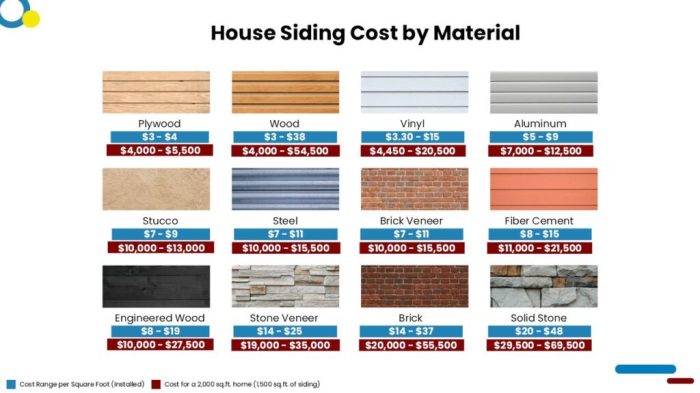
When it comes to replacing house siding, understanding the average cost breakdown can help homeowners budget effectively and plan for the expenses involved. This breakdown includes material costs, labor costs, and any additional expenses that may arise during the replacement process.
Average Costs of Popular Siding Materials per Square Foot
- Vinyl Siding: $2 – $7 per square foot
- Fiber Cement Siding: $5 – $12 per square foot
- Wood Siding: $6 – $15 per square foot
- Aluminum Siding: $3 – $6 per square foot
It’s important to consider not just the initial cost, but also the durability and maintenance requirements of each siding material.
Labor Costs Involved in Siding Replacement
- On average, labor costs range from $30 to $50 per hour for siding installation.
- Labor costs can vary based on the complexity of the project, the contractor’s experience, and the location of the home.
Additional Costs
- Permits: Depending on local regulations, permit costs can range from $100 to $500.
- Disposal of Old Siding: Disposal fees typically range from $50 to $200, depending on the amount of old siding to be disposed of.
- Equipment Rentals: If specialized equipment is needed for the installation, rental costs can add an additional $100 to $300 to the total expense.
DIY vs. Professional Installation for House Siding Replacement
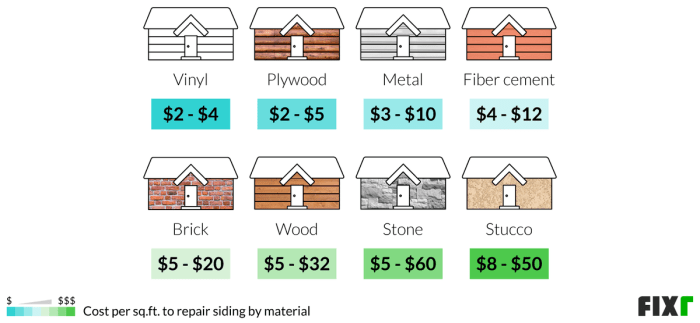
When it comes to replacing house siding, homeowners often face the decision of whether to tackle the project themselves or hire professionals. Both options have their own set of costs, risks, and benefits that need to be carefully considered before making a choice.DIY siding replacement can save homeowners a significant amount of money on labor costs.
However, it requires a certain level of skill and expertise to ensure that the siding is installed correctly. Mistakes made during the installation process can lead to costly repairs down the line. On the other hand, hiring professionals may be more expensive upfront, but it guarantees a high-quality installation and reduces the risk of errors.
Cost Comparison: DIY vs. Professional Installation
- DIY: The cost of DIY siding replacement typically includes the purchase of materials, tools, and equipment. Homeowners can save on labor costs but should budget for potential mistakes that may require professional intervention.
- Professional Installation: Hiring professionals for siding replacement includes labor costs, materials, and expertise. While it may be more expensive, it ensures a professional finish and minimizes the risk of errors.
Risks and Benefits
- DIY: The main benefit of DIY siding replacement is cost savings. However, the risks include potential mistakes, lack of expertise, and the need for additional repairs if problems arise.
- Professional Installation: Hiring professionals guarantees a high-quality finish, expert installation, and reduced risk of errors. The main downside is the higher upfront cost compared to a DIY approach.
Tips for DIY Homeowners
- Research and plan carefully before starting the project to ensure you have the necessary skills and knowledge.
- Invest in quality materials and tools to achieve a durable and long-lasting siding installation.
- Seek advice from professionals or attend workshops to improve your skills and techniques.
- Consider starting with a small section of siding to gain experience before tackling the entire house.
Financing Options for House Siding Replacement
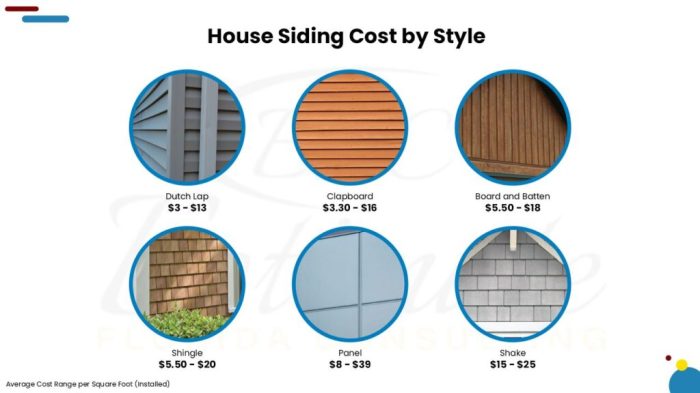
When it comes to replacing house siding, the costs can add up quickly. For homeowners looking to undertake this project, exploring different financing options can help make the process more manageable. Here, we will discuss various ways to finance house siding replacement, along with their advantages, disadvantages, and tips on effective budgeting.
Loans
- Personal loans from banks or online lenders can provide a lump sum payment for siding replacement.
- Advantages include fixed interest rates, predictable monthly payments, and no need for home equity.
- Disadvantages may include higher interest rates for unsecured loans and potential fees.
Credit Cards
- Using credit cards for siding replacement offers convenience and immediate access to funds.
- Advantages include rewards points, cashback options, and potential promotional interest rates.
- Disadvantages may include high-interest rates, potential debt accumulation, and fees.
Home Equity
- Home equity loans or lines of credit allow homeowners to borrow against the equity in their property.
- Advantages include lower interest rates, tax-deductible interest payments, and larger loan amounts.
- Disadvantages may include the risk of losing your home if you default on payments and potential fees.
Effective Budgeting Tips
- Obtain multiple quotes from contractors to compare costs and negotiate for the best price.
- Create a detailed budget that includes material costs, labor expenses, permits, and any unexpected contingencies.
- Consider financing options with affordable monthly payments that fit within your budget constraints.
- Explore energy-efficient siding options that may qualify for rebates or tax incentives to offset costs.
Final Review
As we conclude our exploration of replacing house siding costs, it becomes evident that thorough research and understanding are crucial in navigating this endeavor. With the right knowledge at your disposal, you can confidently tackle any challenges that come your way in your house siding replacement project.
Essential Questionnaire
What factors can affect the cost of replacing house siding?
Factors such as the type of siding materials used, the size of the house, and additional features like insulation or trim work can influence the total cost of house siding replacement.
Is DIY siding replacement more cost-effective than hiring professionals?
The cost-effectiveness of DIY siding replacement versus professional installation depends on various factors, including the homeowner’s skill level, time availability, and the complexity of the project.
What are some common financing options for house siding replacement?
Homeowners can explore financing options such as loans, credit cards, or utilizing home equity to fund the replacement of house siding. Each option comes with its advantages and disadvantages that should be carefully considered.