Exploring the intricacies of fiber cement siding installation, this introduction sets the stage for a detailed exploration of the topic. From understanding the installation process to choosing the right type of siding, readers will gain valuable insights into enhancing their homes with fiber cement siding.
As we delve deeper into the nuances of fiber cement siding, we uncover the key considerations and best practices that can make a significant difference in the outcome of your installation project.
Fiber Cement Siding Installation Process
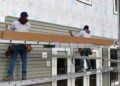
Installing fiber cement siding involves a systematic process to ensure a successful outcome. Let’s look at the step-by-step guide along with the tools and materials required for the installation.
Tools and Materials Required
- Fiber cement siding panels
- Tape measure
- Pencil
- Straight edge
- Circular saw with a carbide-tipped blade
- Galvanized nails or screws
- Hammer or screw gun
- Level
- Safety glasses
- Dust mask
- Gloves
Preparation Before Installation
Before starting the installation process, ensure that the exterior surface is clean, dry, and free from any obstacles. Remove any existing siding and repair any damaged areas. Make sure to follow the manufacturer’s guidelines for installation and have all the necessary tools and materials ready.
Measuring and Cutting Fiber Cement Siding
- Measure the walls where the siding will be installed accurately to determine the needed panel sizes.
- Mark the measurements on the panels using a pencil and straight edge.
- Use a circular saw with a carbide-tipped blade to cut the panels to the required size. Make sure to wear safety gear while cutting.
- Double-check the measurements before cutting to avoid any mistakes.
Types of Fiber Cement Siding
Fiber cement siding comes in various types, each with its own set of advantages and disadvantages. It is important to understand the differences between these types to choose the most suitable one for your project.
Traditional Lap Siding
Traditional lap siding is a popular choice for many homeowners due to its classic look. It mimics the appearance of wooden clapboard siding but offers better durability and lower maintenance requirements. However, it may require more frequent painting compared to other types of fiber cement siding.
Shingle/Shake Siding
Shingle or shake siding provides a rustic and textured look to the exterior of a building. It is a great option for homeowners looking to add character to their homes. This type of siding is durable and resistant to rotting, but it may be more expensive than other options.
Panel Siding
Panel siding is a modern and sleek option for those who prefer a more contemporary look. It comes in large panels that can be easily installed, reducing labor costs. However, panel siding may not be as versatile in terms of design options compared to lap or shake siding.
Choosing the Right Type
When selecting the most suitable type of fiber cement siding for a specific project, consider factors such as the architectural style of the building, budget constraints, and maintenance preferences. It is important to choose a type that complements the overall aesthetic of the property while meeting durability and maintenance requirements.
Popular Brands
Some popular brands known for quality fiber cement siding products include James Hardie, Allura, and Nichiha. These brands offer a wide range of options in terms of styles, colors, and textures, allowing homeowners to find the perfect fit for their unique needs.
Weatherproofing and Insulation
Proper weatherproofing and insulation are crucial elements in the installation of fiber cement siding. These aspects not only protect your home from the elements but also improve energy efficiency.
Importance of Weatherproofing
- Sealing joints and edges: Properly sealing the joints and edges of fiber cement siding is essential to prevent moisture infiltration. This helps to avoid water damage and mold growth inside the walls.
- Preventing air leaks: Weatherproofing also helps in preventing air leaks, which can lead to energy loss and higher utility bills.
Role of Insulation
- Energy efficiency: Insulation plays a crucial role in improving energy efficiency by reducing heat transfer through the walls. This helps in maintaining a comfortable indoor temperature and lowering heating and cooling costs.
- Condensation prevention: Proper insulation also helps in preventing condensation build-up inside the walls, which can lead to moisture issues and mold growth.
Enhancing Weather Resistance
- Use vapor barriers: Installing a vapor barrier behind the fiber cement siding can further enhance weather resistance by preventing moisture from seeping into the walls.
- Proper flashing: Ensure that flashing is properly installed around windows, doors, and other openings to prevent water penetration.
- Maintain caulking: Regularly inspect and maintain caulking to seal any gaps or cracks that may develop over time, ensuring continued weatherproofing.
Maintenance and Care
Proper maintenance and care are essential to prolong the lifespan of fiber cement siding and keep it looking its best. By following a regular maintenance schedule and addressing any issues promptly, you can ensure the longevity of your siding.
Cleaning and Inspecting Schedule
- Regularly clean your fiber cement siding with a mixture of mild soap and water to remove dirt and debris.
- Inspect the siding at least once a year for any signs of damage, such as cracks, chips, or water stains.
- Check for any areas where the paint or coating may be peeling or fading, as this can leave the siding vulnerable to the elements.
Addressing Common Issues
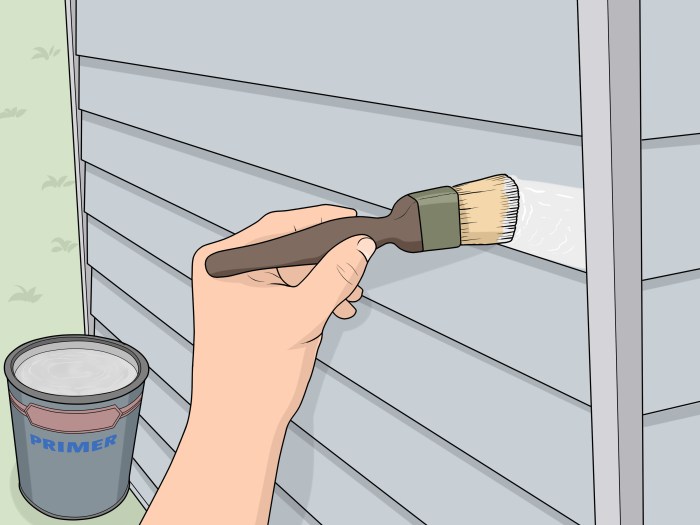
- If you notice any cracks in the fiber cement siding, fill them with a high-quality exterior caulk to prevent moisture from seeping in.
- To address color fading, consider repainting the affected areas with a high-quality exterior paint that is compatible with fiber cement siding.
- For any other damage or issues, such as chips or water damage, it’s best to consult a professional to ensure proper repair and maintenance.
Best Practices for Longevity
- Avoid using high-pressure washers on fiber cement siding, as this can cause damage to the surface and compromise its integrity.
- Trim trees and bushes near the siding to prevent branches from scratching or damaging the surface.
- Regularly inspect the caulking around windows, doors, and other openings to ensure a tight seal and prevent moisture from seeping behind the siding.
Final Summary
In conclusion, fiber cement siding installation offers a durable and aesthetically pleasing solution for homeowners seeking to upgrade their exteriors. By following the guidelines Artikeld in this comprehensive guide, you can embark on your installation journey with confidence and achieve long-lasting results.
FAQ Insights
What tools are needed for fiber cement siding installation?
To install fiber cement siding, you will typically need tools such as a circular saw, utility knife, tape measure, caulk gun, and sawhorses.
How do I prevent moisture infiltration when installing fiber cement siding?
Properly sealing joints and edges with quality caulking and ensuring adequate ventilation can help prevent moisture issues.
What are some common maintenance tasks for fiber cement siding?
Maintenance tasks include regular cleaning, inspecting for damage, and addressing issues like cracks or color fading promptly.