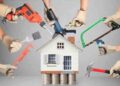
Embark on a journey to transform your living space with our comprehensive guide to home improvement. From simple DIY projects to major renovations, discover the key aspects that can elevate the functionality and aesthetics of your home.
Explore different types of projects, essential tools, budgeting tips, and sustainable practices that will not only enhance your property but also contribute to a greener environment.
Types of Home Improvement Projects
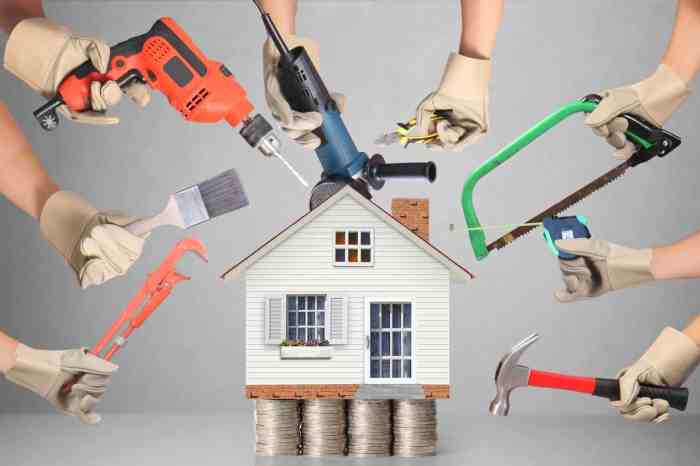
When it comes to home improvement projects, there are various types that homeowners can undertake to enhance the functionality, aesthetics, and value of their properties. Each type of project offers unique benefits and can be categorized based on the scope and complexity of the work involved.
Interior Renovations
Interior renovations involve upgrading or remodeling the inside of the house to improve its appearance, comfort, and functionality. Common projects include:
- Updating kitchen cabinets and countertops
- Renovating bathrooms with modern fixtures
- Installing new flooring such as hardwood or tile
Interior renovations can increase the livability and appeal of a home, making it more attractive to potential buyers. While some projects like painting walls or changing light fixtures can be done as DIY projects, complex renovations like kitchen remodels may require professional help to ensure quality workmanship.
Exterior Upgrades
Exterior upgrades focus on enhancing the curb appeal and overall exterior appearance of the property. Examples of exterior projects include:
- Replacing old siding with new, energy-efficient materials
- Upgrading windows and doors for better insulation
- Adding a deck or patio for outdoor living space
Exterior upgrades not only improve the aesthetics of the home but also increase energy efficiency and property value. While simple tasks like painting the front door can be DIY projects, major upgrades like roof replacements are best left to professionals for safety and quality reasons.
Landscaping and Outdoor Projects
Landscaping and outdoor projects focus on enhancing the outdoor living spaces and overall appeal of the property. Common projects include:
- Planting a garden or installing a lawn
- Building a backyard fire pit or outdoor kitchen
- Installing a fence or adding outdoor lighting
Landscaping projects can significantly improve the curb appeal and create a welcoming outdoor environment for homeowners and guests. While simple tasks like planting flowers can be done by homeowners, complex projects like hardscaping may require professional expertise for proper installation and durability.
Energy-Efficiency Improvements
Energy-efficiency improvements focus on reducing energy consumption and utility costs by upgrading home systems and appliances. Examples of energy-efficient projects include:
- Installing solar panels for renewable energy
- Upgrading HVAC systems for better efficiency
- Replacing old appliances with energy-star rated models
Energy-efficient improvements not only lower utility bills but also contribute to a more sustainable and eco-friendly living environment. While some projects like weather-stripping doors and windows can be DIY, complex installations like solar panels should be done by professionals to ensure safety and compliance with building codes.
Home Improvement Tools and Equipment
When it comes to home improvement projects, having the right tools and equipment is essential to get the job done efficiently and effectively. Not only can the right tools make the task easier, but they can also ensure safety and accuracy throughout the project.
Let’s explore some of the essential tools for various home improvement tasks and discuss important safety precautions when using power tools.
Essential Tools for Home Improvement Tasks
- Cordless Drill: A versatile tool for drilling holes and driving screws.
- Hammer: Used for a variety of tasks, from hanging pictures to demolition.
- Tape Measure: Ensures accuracy in measurements for a precise fit.
- Screwdriver Set: Different sizes and types for various screw heads.
- Saw: Whether it’s a circular saw, jigsaw, or handsaw, cutting materials is essential.
Safety Precautions When Using Power Tools
- Always wear appropriate safety gear, such as goggles, gloves, and ear protection.
- Read and follow the manufacturer’s instructions carefully before using any power tool.
- Keep work areas clean and well-lit to avoid accidents or injuries.
- Never use power tools near water or flammable materials to prevent electrical hazards.
Types of Paint Brushes and Their Uses
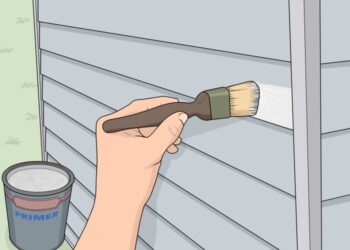
- Flat Brush: Ideal for large, flat surfaces like walls and ceilings.
- Angled Brush: Perfect for cutting in corners and edges with precision.
- Round Brush: Great for detail work and intricate designs.
- Foam Brush: Suitable for smooth finishes and tight spaces.
Maintaining and Storing Tools Properly
- Clean tools after each use to prevent rust and damage.
- Store tools in a dry environment to avoid moisture and corrosion.
- Regularly inspect tools for wear and tear, replacing any damaged parts promptly.
- Invest in a toolbox or storage system to keep tools organized and easily accessible.
Budgeting for Home Improvement
When embarking on a home improvement project, it is crucial to establish a budget to ensure that expenses are kept in check and the project stays on track. Here are some steps to help you create a budget for your home improvement projects:
Steps to Create a Budget for Home Improvement Projects
- Start by outlining the scope of the project and identifying all the necessary materials and labor costs.
- Research the average cost of similar projects in your area to get a rough estimate of how much you should budget.
- Create a spreadsheet or use a budgeting app to track all expenses and allocate funds accordingly.
- Always include a contingency fund for unexpected expenses that may arise during the project.
Tips on Saving Money During Renovations
Renovations can be costly, but there are ways to save money without compromising on quality. Here are some tips:
- Consider doing some of the work yourself if you have the skills and time.
- Shop around for the best deals on materials and consider buying in bulk to save money.
- Reuse or repurpose existing materials whenever possible to cut down on costs.
- Look for discounts, coupons, and sales to take advantage of cost-saving opportunities.
Importance of Cost Estimation Before Starting a Project
Cost estimation is crucial before starting a home improvement project to prevent overspending and ensure that the project is completed within budget. Here’s why it’s important:
- Helps you set realistic financial goals and avoid financial strain during the project.
- Allows you to prioritize expenses and make informed decisions about where to allocate funds.
- Prevents unexpected financial setbacks and ensures that the project stays on schedule.
Strategies for Financing Larger Home Improvement Undertakings
For larger home improvement projects that require significant funding, there are several strategies you can consider:
- Home equity line of credit (HELOC) or home equity loan to borrow against the equity in your home.
- Personal loans from banks or online lenders with fixed interest rates and repayment terms.
- Refinancing your mortgage to take advantage of lower interest rates and access additional funds for renovations.
- Government loans or grants for specific types of home improvements, such as energy-efficient upgrades.
Sustainable Home Improvement Practices
Adopting sustainable practices in home improvement projects not only benefits the environment but also helps homeowners save money in the long run. By using eco-friendly materials, implementing energy-efficient upgrades, and recycling materials, you can create a more environmentally friendly and cost-effective living space.
Eco-Friendly Materials and Products
When renovating your home, consider using materials that are sustainable and have a minimal impact on the environment. Some eco-friendly options include:
- Bamboo flooring, which is a renewable resource that grows quickly.
- Recycled glass countertops, made from recycled glass bottles and jars.
- Low-VOC paints, which emit fewer harmful chemicals into the air.
Energy-Efficient Upgrades
Upgrading your home with energy-efficient features can help reduce your utility bills and decrease your carbon footprint. Some energy-efficient upgrades to consider include:
- Installing LED light bulbs, which use less energy and last longer than traditional incandescent bulbs.
- Upgrading to ENERGY STAR-rated appliances, which are designed to be more energy-efficient.
- Adding insulation to your home to improve energy efficiency and reduce heating and cooling costs.
Impact of Sustainable Practices
Implementing sustainable practices in your home improvement projects can have a positive impact on the environment by reducing waste and conserving resources. By choosing eco-friendly materials and energy-efficient upgrades, you can help lower greenhouse gas emissions and protect natural habitats.
Recycling and Repurposing Materials
Instead of throwing away materials during renovations, consider recycling or repurposing them to reduce waste. Old wood can be turned into furniture or decor, while glass bottles can be upcycled into vases or light fixtures. By repurposing materials, you can give them new life and reduce your environmental impact.
Final Review
As you conclude your exploration of home improvement, remember that every improvement made adds value to your home and quality to your life. With the right tools, budgeting strategies, and sustainable practices, you can create a space that truly reflects your style and values.
Question Bank
What are some eco-friendly materials for renovations?
Bamboo flooring, recycled glass countertops, and low-VOC paints are great choices for sustainable home improvement projects.
How can I save money during home renovations?
You can save money by doing some tasks yourself, comparing prices for materials, and looking for discounts or promotions from suppliers.
Why is cost estimation important before starting a project?
Cost estimation helps you plan your budget effectively, avoid overspending, and ensure that you have enough funds to complete the project.
How can I maintain and store home improvement tools properly?
Clean tools after use, store them in a dry place, and organize them in a toolbox or on a pegboard to prevent damage and make them easily accessible.